
Heat Pumps For Renewable Heating
To lower your carbon footprint and use cleaner energy, consider having a heat pump fitted at your home in the West Midlands. The Suntec Energy team installs both air source and ground source heat pumps in the region – each new system is tailored to meet your requirements.
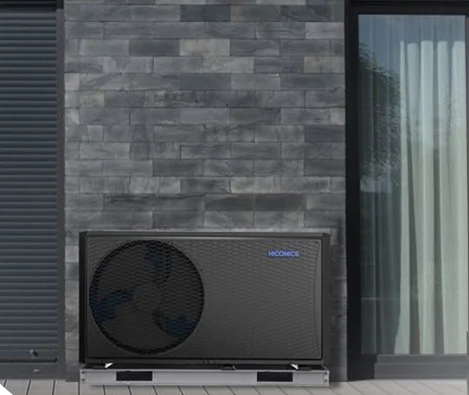
A home air source heat pump typically consists of two main parts: an outdoor unit and, sometimes, an indoor unit. Here’s what each part looks like and how it fits in a home setup:
Outdoor Unit
Indoor Unit
What Is An Air Source Heat Pump?
An air source heat pump (ASHP) is a heating system that extracts heat from the outside air and transfers it indoors to warm your home. Air source heat pumps are highly energy-efficient, which can significantly reduce energy bills and lower carbon emissions.
The Benefits Of Air Source Heat Pumps
As well as being eco-friendly and kinder to the planet, this type of renewable heating system offers a number of benefits to homeowners or business owners.
To understand if an air source heat pump is right for you, ask us about the available systems and the quote for installation. We are here to help you choose the right system and we can supply a detailed quote for installation so you know what to expect.
What is a Ground Source Heat Pump?
A ground source heat pump (GSHP) is a highly efficient, eco-friendly way to heat your home. By using the natural warmth stored in the ground, GSHPs provide consistent heating and hot water, reducing your reliance on traditional energy sources.
This technology not only cuts your carbon footprint but also offers significant savings on your energy bills over time. Ground source heat pumps are ideal for homeowners looking to make a long-term investment in renewable energy, with potential eligibility for government incentives to further offset installation costs.
Air Source and Ground Source Heat Pump Installation by Suntec
At Suntec, we specialise in the expert installation of heat pumps. Our team assesses your property’s suitability, designs a system tailored to maximise efficiency, and handles every part of the installation. With Suntec’s experience and commitment to high standards, you can be confident in a professional installation that delivers long-lasting comfort and energy savings.
Ask us about fitting renewable heating in Birmingham, Solihull, Warwick, Leamington Spa, Coventry and Sutton Coldfield and surrounding areas.
A ground source heat pump includes a few main components: an outdoor ground loop system and an indoor heat pump unit. Here’s a breakdown of each part and what it typically looks like: